Floral Garden Design
A Designer’s First Look: Delicate, But Not Fragile
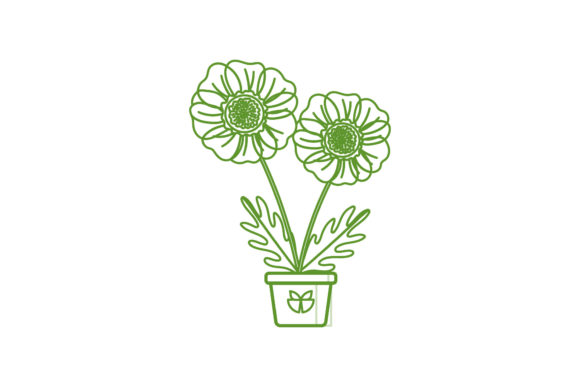
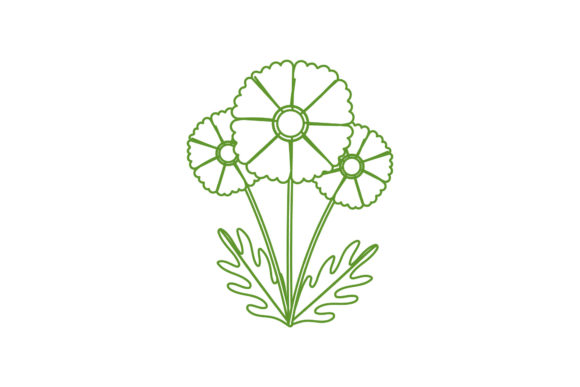
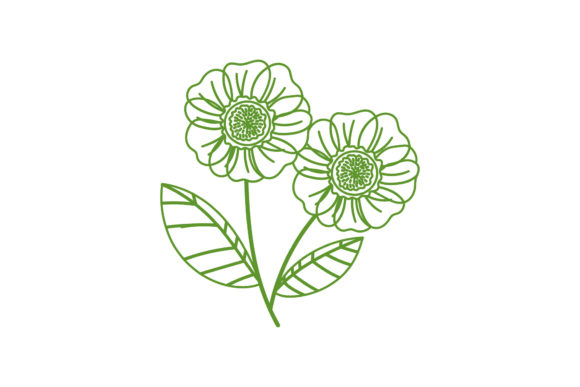
When I opened Floral Garden Design for the first time, I didn’t see just another vector icon—I saw a potential embroidered tote bag for a local botanical boutique. The layout breathes: soft curves, asymmetrical blooms, and subtle negative space between stems suggest movement, not rigidity. It’s not fussy or over-rendered—no tiny petals that’ll vanish under satin stitch, no overlapping leaves that’ll create muddy fill-stitch zones. That’s rare in floral icons meant for embroidery. This one feels intentional, like it was sketched with thread in mind—not just screen pixels.
Where It Shines (and Where It Asks for Care)
I tested Floral Garden Design as a center chest motif on a heavyweight organic cotton sweatshirt—and it landed beautifully. The balanced silhouette filled the hoop without crowding, and the open areas translated cleanly into breathable fill stitches. On baby onesies? Yes—but only mid-to-large sizes. The lower stem detail stays legible at 3.5", but below that, some petal edges risk blending on knit fabric without extra stabilizer.
For embroidered patches, it works best as a 3–4" round or oval appliqué design. The outer shape is forgiving for cutting, and the internal flow keeps the eye moving—not locking onto one dense cluster. On tea towels or pillow covers? Ideal. The rhythm of the vines supports repeat-friendly placement, and the scale holds up well in both full-coverage and corner-accent layouts.
But here’s where attention matters: Floral Garden Design doesn’t hide complexity. Those slender stems? They’ll need a sharp needle and light stabilizer on stretchy fabrics—or they’ll tunnel. On dark fabric, avoid pale pastel thread unless you’re layering underlay; the design’s openness means thread coverage must be deliberate. And skip curved surfaces like caps unless you reduce the height by 15% and reinforce the topmost leaf with a running stitch outline.
Real Impact on Your Finished Product
Customers don’t buy “a floral vector”—they buy a feeling. With Floral Garden Design, that feeling is gentle confidence: garden-fresh, unhurried, quietly refined. I’ve used it on personalized gifts—like linen napkin sets for a spring wedding—and guests consistently commented on how “light” and “airy” the embroidery felt, even though it stitched out fully. That perception lifts perceived value. It reads handmade, not mass-produced, because the spacing respects fabric drape and thread behavior.
For Etsy sellers and small shop owners, this matters deeply. A design that photographs well on mockups *and* translates faithfully to real stitching builds trust faster than any listing description. When buyers see consistent clarity across your sweatshirt embroidery, tote bag design, and nursery decor line—all using the same cohesive motif—they recognize your brand voice. Floral Garden Design supports that. It’s flexible enough for seasonal collections (add a single berry cluster for fall, swap thread tones for holiday palettes), yet distinct enough to become your signature.
What You’ll Notice After Stitching
- Stitch density feels balanced—no swampy fill-stitch puddles or skeletal outlines. Satin stitch sections have natural taper, not abrupt stops.
- Thread colors pop without fighting—the design’s inherent contrast makes color selection intuitive, whether you’re using tonal greens or bold coral accents.
- No “surprise” corners—tight turns are rounded, not angular, so your machine won’t stutter or skip on delicate fabrics like silk-blend baby blankets.
- It scales gracefully—I resized it from 2.75" for a cap front to 6.25" for a kitchen towel border, and each version retained proportion and readability.
Smart Prep Steps Before You Stitch
Don’t jump straight to your good fabric. Here’s what I do every time with Floral Garden Design:
- Run a test on scrap fabric matching your project’s weight and stretch—especially if using textured weaves like terry cloth or bouclé.
- Check thread color contrast in both black-and-white and color mockups. Its openness means low-contrast combos can disappear on busy backgrounds.
- Review stitch density in your embroidery software. If your machine struggles with fine stems, add a light underlay—don’t overcompensate with heavy topping.
- Confirm hoop size compatibility. While the vector scales infinitely, your physical hoop may require slight cropping or repositioning for optimal tension.
- Inspect small details at 200% zoom: Are petal tips clean? Do inner leaf veins translate clearly as running stitch lines? If not, simplify before digitizing.
- Verify licensing terms. Since Floral Garden Design is listed as a Graphics asset suitable for logos and commercial use, confirm whether resale of finished embroidered items or digital embroidery files requires attribution or extended rights.
Final Thought: A Thoughtful Tool, Not Just a Pretty File
Floral Garden Design isn’t flashy—but it’s reliable. It won’t dominate a busy craft fair table with neon saturation, but it will earn repeat orders from customers who value subtlety, craftsmanship, and quiet intention. Whether you’re an embroidery designer building a cohesive collection, an Etsy seller refreshing your spring lineup, or a small shop owner embroidering custom aprons for a local café—it supports your voice instead of overriding it. It’s the kind of design that makes your handmade product feel considered, your personalized gift feel intimate, and your commercial embroidery project feel professionally grounded. Just remember: respect its structure, test its behavior, and let its natural rhythm guide your thread choices. Then watch how often people ask, “Where did you get that?”